Knowledge Resources
The Technical Library
Consultancy-grade methodologies, freely available. Download our Technical Methodology Notes and start calculating with confidence.
Each document in our library represents years of practical experience distilled into clear, actionable guidance. These are the same methodologies we use when working with NHS trusts, government departments, and blue-chip corporations.
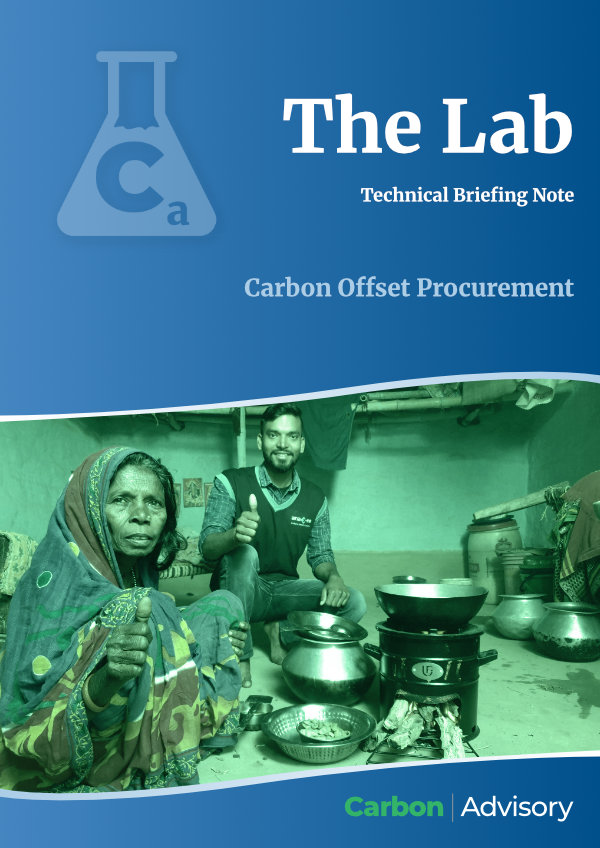
Carbon Offset Procurement
A comprehensive framework for high-quality carbon credit investment. This technical briefing aligns corporate action with the Oxford Principles and DEFRA criteria to ensure credible, impactful climate mitigation.
- Oxford Principles-aligned transition pathways (2025–2050)
- DEFRA "Good Quality" baseline assessment criteria
- Nature-based vs. tech-based removal scaling strategies
- Multi-layered due diligence & verification frameworks
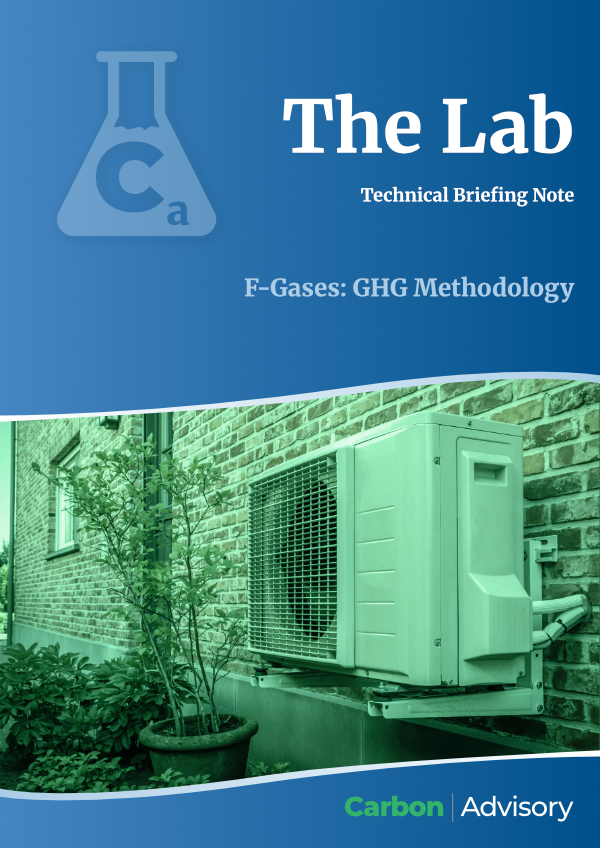
F-Gases: Methodology for Refrigerants and Coolants
Fluorinated gases have extremely high global warming potential. This guide ensures you correctly identify, quantify, and report F-Gas emissions from refrigeration, air conditioning, and fire suppression systems.
- Comprehensive GWP reference tables for common refrigerants
- Top-up, disposal, and leakage calculation methods
- Handling mixed refrigerant blends and proprietary formulations
- Compliance with UK F-Gas regulations and reporting requirements
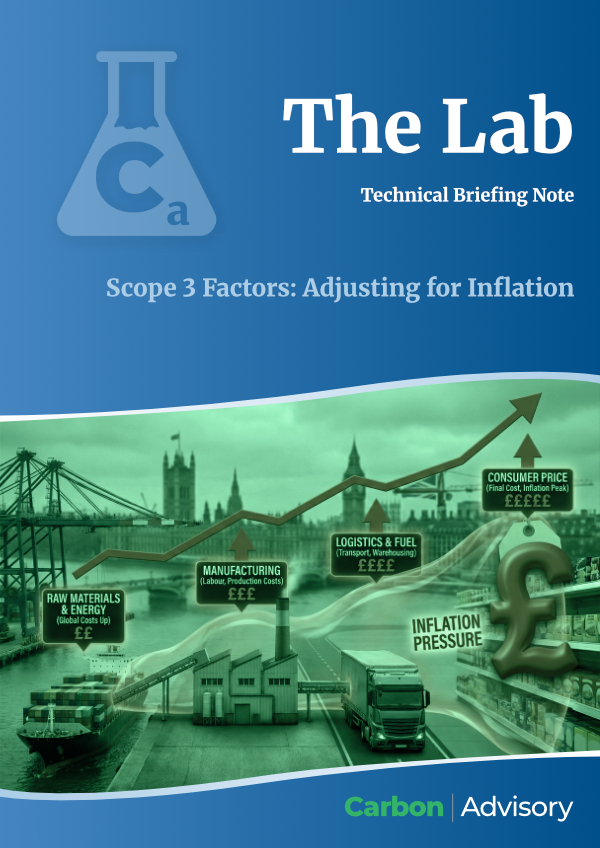
Scope 3 Factors: Adjusting for Inflation
Master the art of spend-based emissions calculations with inflation-adjusted conversion factors. This methodology ensures your Scope 3 data remains accurate as prices fluctuate year-over-year.
- Step-by-step inflation adjustment methodology
- Worked examples across multiple sectors
- Guidance on data quality and materiality thresholds
- Compatible with GHG Protocol and ISO 14064 standards

Scope 4: Calculating Avoided Emissions
Learn how to quantify and report the positive climate impact of your products and services. This guide covers the principles of avoided emissions and how to calculate them credibly.
- Framework for baseline scenario development
- Avoided emissions calculation models
- Case studies from renewable energy and circular economy sectors
- Reporting guidelines aligned with emerging standards
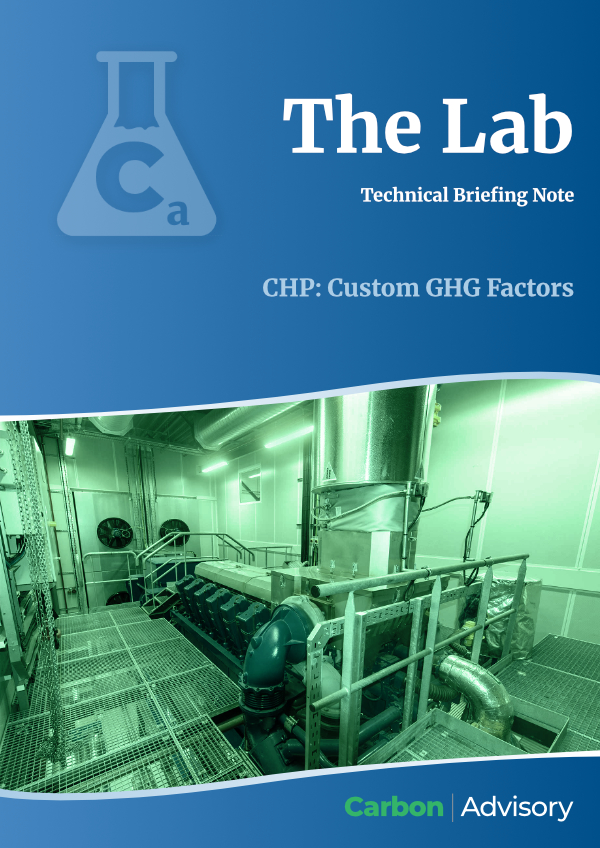
CHP: Calculating Custom GHG Emissions Factors
Combined Heat and Power systems require bespoke emissions factors. This technical guide walks you through the calculation process, allocation methods, and quality assurance checks.
- Energy allocation methodologies (exergy vs. energy basis)
- Custom factor calculation templates
- District heating emission factor derivation
- Verification and audit trail requirements
On-site Solar PV: Mandatory Reporting Under SECR
Self-generated solar energy sits in a regulatory grey zone under SECR. This guide clarifies exactly when solar kWh must be reported, when it's voluntary, and how to turn transparent reporting into a reputational asset rather than a compliance burden.
- Ownership vs. PPA: understanding which arrangement triggers mandatory SECR energy reporting
- REGO contractual risks and how "null power" can erase your reportable carbon benefit
- Dual-line reporting strategy that satisfies legal minimums while showcasing solar ROI
- Recommended SECR table template with mandatory vs. voluntary line items clearly distinguished
Need Help Applying These Methodologies?
Our library gives you the tools. Our expert support gives you the confidence.
Explore Expert Support